
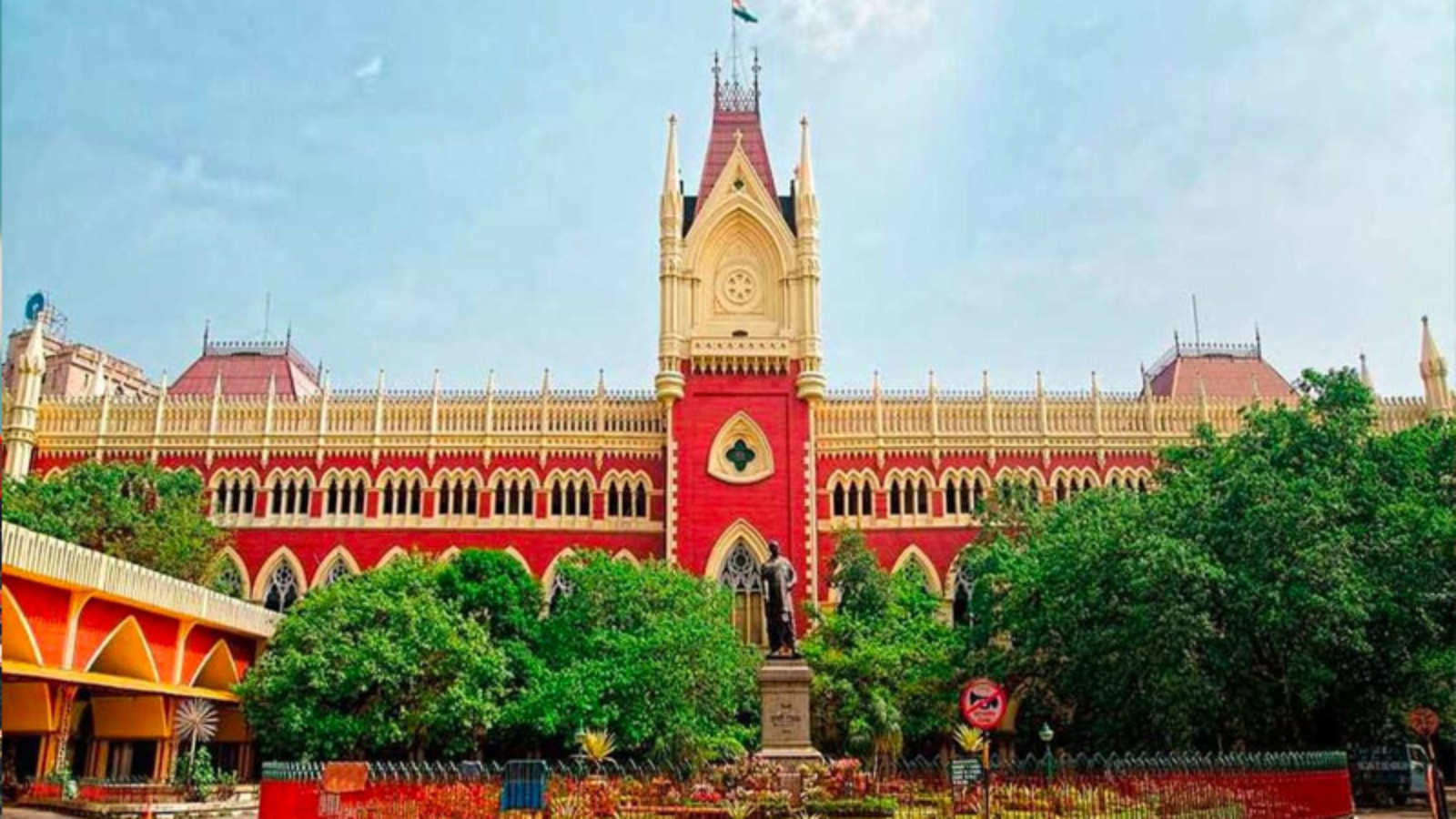
In Kusal Roy v. State of West Bengal & Others (WPA No. 24343 of 2024), the Calcutta High Court looked at how far the powers given under the Maintenance and Welfare of Parents and Senior Citizens Act, 2007 (“the Act”) really go, especially when a senior citizen is financially independent and still wants maintenance from their children. The Court also touched on the question of whether the Act can be used to compel an adult child to maintain regular personal contact or provide emotional companionship to elderly parents.
The matter started when the petitioner’s parents filed proceedings under Section 4 of the Act before the Sub-Divisional Officer. They asked for directions so their son would maintain steady communication, visit them on a periodic basis, care for their well-being, and contribute towards their medical expenses. The parents, who were both retired academicians, additionally sought a monthly maintenance allowance of INR 5,000 each.
After going through the material on record and hearing both sides, the Sub-Divisional Officer rejected the application. The parents felt aggrieved, so they filed an appeal before the District Magistrate, who was acting as the Appellate Authority. Even though the Appellate Authority accepted that the parents were financially secure, it still ordered the petitioner to pay ₹10,000 per month towards their maintenance from July 2024. At the same time, it refused the other requests relating to regular visits, living arrangements, and inclusion in insurance coverage, saying those aspects were outside the scope of the Act.
The petitioner challenged the appellate order before the Calcutta High Court, contending that the statutory requirements under the Act had not been met properly. It was argued that Section 4 allows an application for maintenance only when a parent or senior citizen is incapable of supporting themselves from their own income or property. As per the petitioner, both parents still had sufficient financial means, including regular government pensions, immovable holdings, fixed deposits, and other savings. He also submitted that he had earlier executed a registered deed through which he relinquished all inheritance rights in respect of his parents’ properties and that he kept health insurance policies running for them through his employer, so their medical costs would be covered.
During the proceedings, the parents appeared personally before the Court and made it clear that their main grievance was not really about the lack of money. Instead, they said it was emotional disregard. They claimed that, despite their increasing age and worsening health conditions, their son had allegedly cut off contact, did not visit for years, and stayed away during critical periods when they were unwell. They explained that what they wanted most was for their son to maintain a steady relationship and spend time with them rather than only providing financial support.
Given the delicate character of the family dispute, the High Court constituted a multidisciplinary committee made up of mental health professionals along with a family counsellor to assist with counselling and see if reconciliation could be possible. After several counselling sessions, the committee reported that even though everyone was offered enough opportunity to put forward their concerns, the parties’ positions had become deeply entrenched.
The committee decided that no resolution could be reached that was agreeable to everyone, even after therapeutic intervention.
In looking at the statutory framework, the High Court looked closely at Sections 4, 5, and 9 of the Act. The Court noted that the legislation is meant to secure financial support for parents or senior citizens who are genuinely unable to maintain themselves. The legal duty cast on children only comes up when the parent does not have enough means to satisfy their own basic requirements and live a normal life. The Court said financial incapacity is a mandatory condition before maintenance can be granted under the Act.
Applying this to the facts of the case, the Court found that the respondents had themselves admitted they had substantial financial resources. They were receiving government pensions. They also owned valuable residential properties, maintained numerous fixed deposits that produced regular interest income, and had adequate savings along with other assets. Considering these admissions, the Court held that the requirement under Section 4 was not met. Therefore, the award of maintenance could not stand legally.
Accordingly, the High Court set aside the appellate orders dated 7 June 2024 and 10 June 2024 and restored the order of the Sub-Divisional Officer that had rejected the maintenance claim. The Court also clarified that the Act does not give any power to the Tribunal or Appellate Authority to compel an adult child to visit, reside with, or keep personal communication with elderly parents. The Court reasoned that such directions fall beyond the legislative scheme of the statute.
The Court underlined that legal liability and moral responsibility are two different things. In the present matter, there was no statutory duty to pay maintenance, yet the Court said the petitioner still had a moral obligation towards his ageing parents. Because he had stated that he would cover their health insurance and medical expenses, the Court directed that he ensure his parents receive suitable medical treatment whenever required.
This decision keeps saying that the Maintenance and Welfare of Parents and Senior Citizens Act, 2007, is a welfare-based piece of legislation. It is meant to deal with financial neglect, not emotional distance or estrangement. Courts may also notice the moral expectations that usually exist within family relationships, but relief under the Act stays limited. It will only be granted when the parents are shown to be unable to maintain themselves using their own income or assets.
Add a Comment