
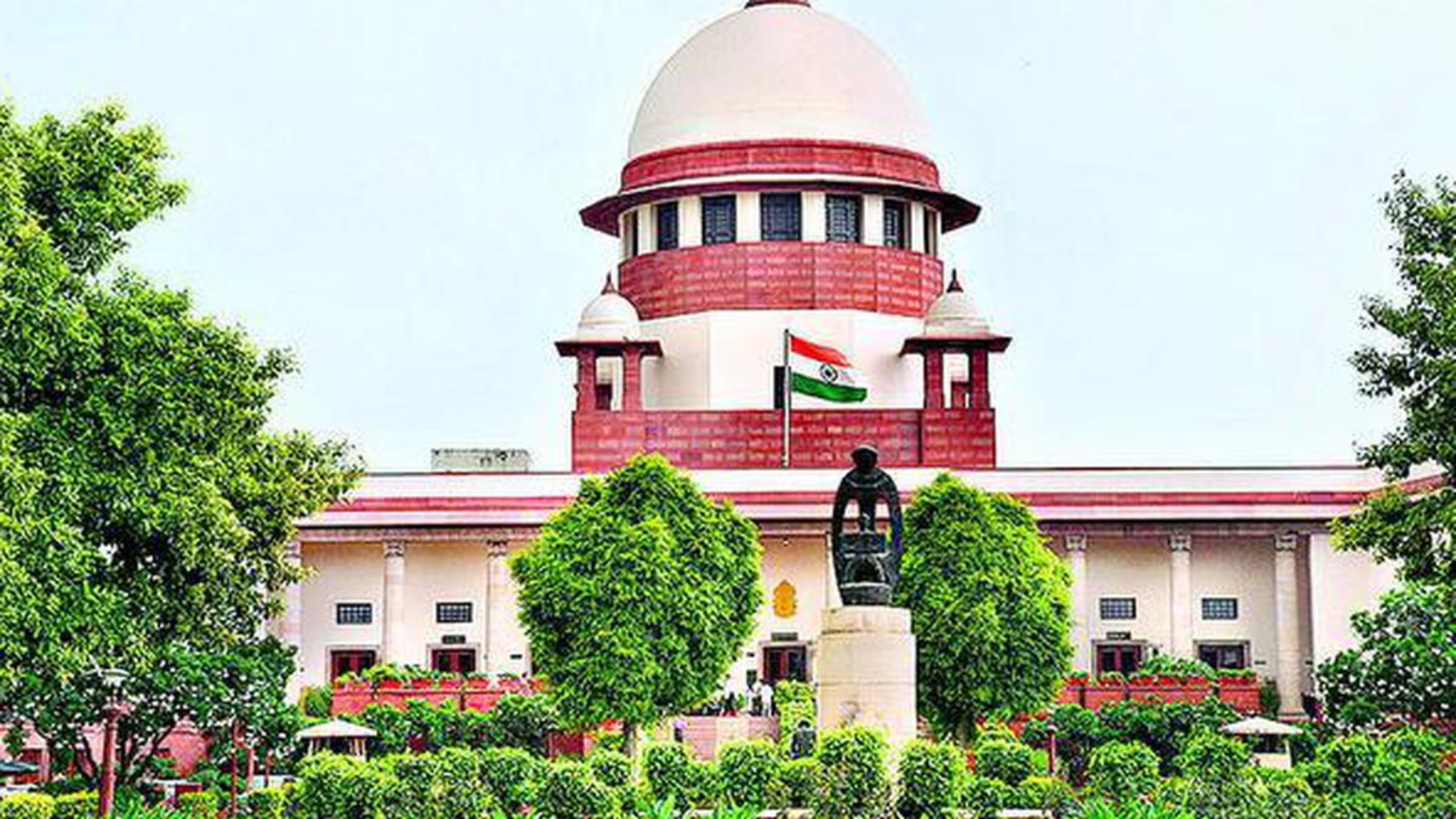
The Supreme Court has issued an interim order on the unauthorised recording, editing, and sharing of court proceeding videos. The order also bars commercial exploitation of such recordings. It applies across social media and other digital platforms. The Court acted amid growing concern that livestreamed hearings were being selectively edited. Such clips were being commercially exploited in ways that compromise judicial dignity.
The directions came from a Bench of Chief Justice of India Surya Kant, along with Justices Joymalya Bagchi and V. Mohana. The Bench was hearing a public interest litigation filed by journalist Harshita Grover. Her petition argued that fragments of court proceedings were being pulled out of context. These clips were circulated online to attract attention and generate revenue. The plea acknowledged that livestreaming has improved public access to justice. But it argued that weak safeguards have left room for misuse.
Under the interim order, no person or entity may extract, alter, or distribute recordings of court proceedings. Monetising or uploading such recordings is also barred. Prior authorisation is now required from the Secretary General of the Supreme Court. Alternatively, permission must come from the Registrar General of the concerned High Court. The Bench also directed that the order be published on official court websites. This is meant to ensure the restriction receives adequate public notice.
The Bench clarified that the order does not target press freedom. It does not hinder genuine news coverage either. News organisations reporting on judicial proceedings remain exempt from the restriction. Justice V. Mohana stressed that this was not a “gag order.” Instead, it simply reinforces the Court’s 2022 Model Rules for Live Streaming. Those rules already bar unauthorised recording and dissemination of livestreamed sessions.
During the hearing, senior advocate Vikas Singh raised a specific incident. He represented the petitioner. Singh cited a case where a litigant hurled papers at a Bench headed by Justice K.V. Viswanathan. A brief clip of the episode went viral on social media. He argued this turned a serious courtroom matter into online entertainment. Such clips, he said, distort judicial proceedings and mislead the public. They also undermine the credibility of the justice system.
Justice Joymalya Bagchi raised similar concerns about unrestricted access to livestreamed hearings. He observed that courts must not become “24/7 entertainment channels.” Unchecked availability of courtroom footage, he warned, poses a risk to justice administration. As an alternative, he proposed a secure digital archive of recorded proceedings. Access would be limited to authorised individuals under proper legal safeguards.
The Bench also flagged a related problem: indiscriminate sharing of virtual hearing links. This makes it easier for unauthorised individuals to record and circulate proceedings. Solicitor General Tushar Mehta raised a further concern while supporting the petition. He warned about the misuse of artificial intelligence in this context. AI tools can manipulate lip movements and voice, he said. This allows bad actors to alter what judges and lawyers appear to have said. Such fabricated videos can spread misinformation. They can also erode public confidence in the judiciary.
The Bench acknowledged the need for a wider regulatory response. It directed the Union government to identify nodal ministries for future safeguards. The government must also submit a list of intermediaries who may need to be added to the case. All High Courts have been asked to submit reports too. These reports should cover the implementation of existing livestreaming guidelines. Courts must also assess the broader impact of continuous livestreaming. The matter will return for further hearing once these responses are received.
The petition raised one more concern: a chilling effect on judges and lawyers. Out-of-context clips often expose legal professionals to online harassment. Character attacks and misinformation frequently follow such clips. Courtroom exchanges, the petition noted, are often exaggerated online. This fuels unwarranted hostility. It also weakens public confidence in the judicial process.
This order builds on the Court’s broader push for transparency through technology. The Court began livestreaming Constitution Bench proceedings in September 2022. This followed a landmark 2018 ruling recognising live telecasts as part of the right to access justice. The Court later introduced Model Rules to govern livestreaming. In February 2023, it became the first Indian court to adopt AI-assisted live transcription. This technology helps maintain an accurate record of proceedings. The interim order now seeks to balance two goals. One is transparency and public access. The other is protecting judicial integrity in an age of digital misinformation.
Add a Comment