
If you fill up on E20 petrol, chances are you have no idea exactly how much ethanol is in your
tank. A Delhi advocate thought that should change, and he took the question straight to the
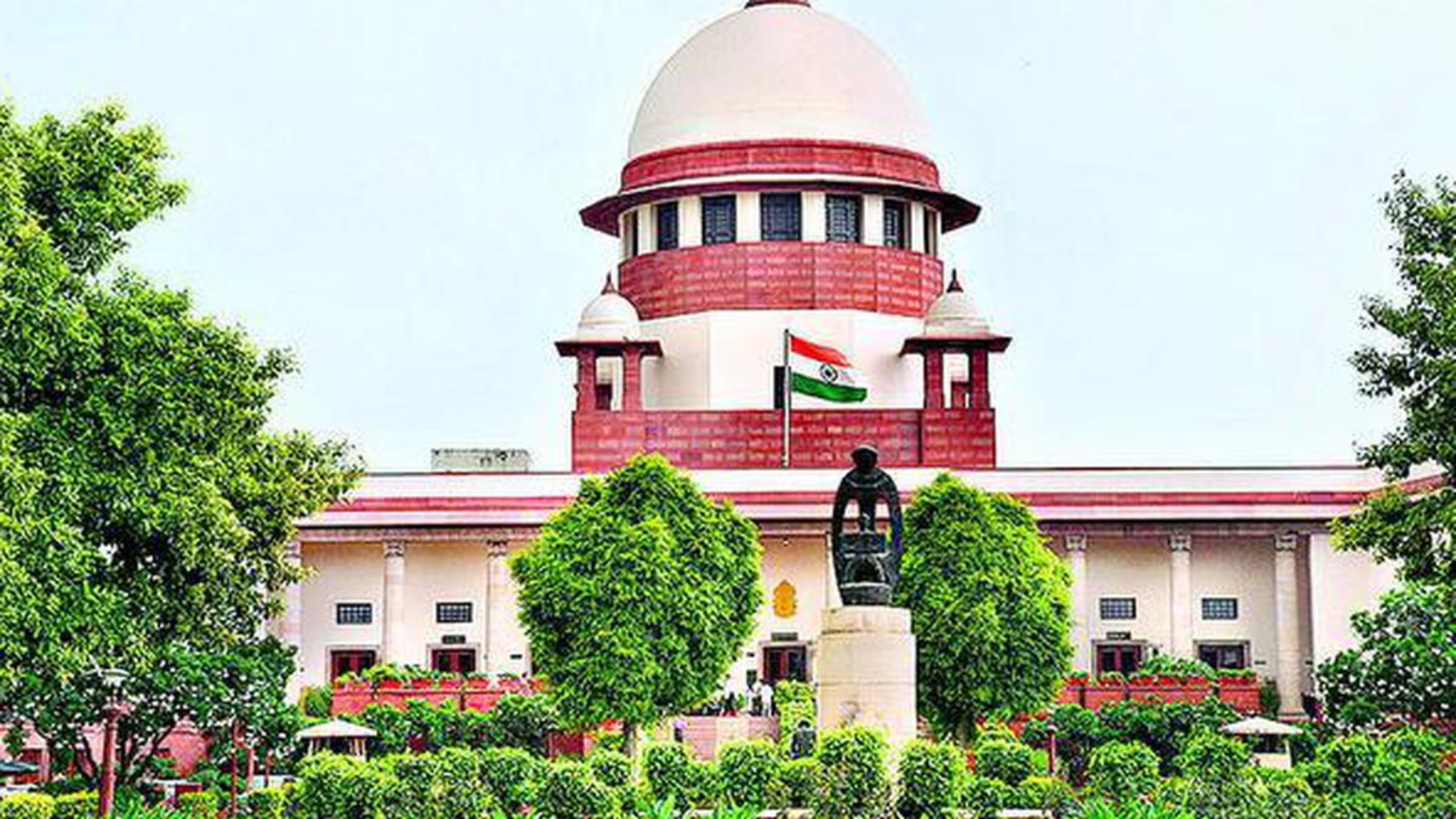
Supreme Court. On August 31, 2026, the Court told him he had approached the wrong forum.
Background
Narendra Kumar Goswami, appearing in person, filed a writ petition before the Supreme Court
against the rollout of E20 petrol, fuel blended with 20% ethanol. He was careful not to challenge
the ethanol blending policy itself. His grievance was narrower: he wanted mandatory disclosure
of ethanol content and chemical composition at the point of sale, along with safeguards for
legacy vehicles not designed to run on blended fuel.
Facts and Contentions
The petition characterized the absence of disclosure as a form of silent compulsion.
Consumers, the petitioner argued, were being made to purchase a blended product without
being told what it actually contained, even as the State had, in his submission, created a
compulsory nationwide market for it.
His contentions rested on three points. First, a consumer’s right to know a product’s composition
is a settled consumer protection principle, and he drew a direct analogy to mandatory ingredient
labeling on packaged food. Second, where the State itself mandates a product’s use across the
entire market, the case for disclosure grows stronger, not weaker. Third, the relief sought was
purely informational. He was not asking the Court to roll back the blending programme, only to
compel transparency about it.
Preliminary Objection on Maintainability
Before reaching the merits, the Bench raised a threshold question: why had the petitioner come
directly to the Supreme Court instead of the jurisdictional High Court? This is a standard
maintainability inquiry under Article 32 practice. The Supreme Court’s writ jurisdiction is
discretionary, and PILs raising what amount to regulatory or administrative grievances are
ordinarily expected to be pursued first before the competent authority or the High Court, unless
a fundamental rights violation cannot otherwise be redressed.
The Attorney General, appearing for the Union, opposed admission on a further ground. He
described the petition as proxy litigation and pointed out that the Court had already dismissed a
substantially similar challenge to the ethanol blending programme in an earlier round of
litigation.
Court’s Order
The Bench declined to entertain the petition and dismissed it in limine, leaving it open to the
petitioner to approach the competent regulatory authority with his grievance instead. No findings
were recorded on the substantive question of whether mandatory point of sale disclosure is
legally required. The dismissal was procedural, not a ruling on the merits.
Related Proceedings
This was not the first challenge to reach the Court on this subject. In September of the
preceding year, a separate PIL filed by advocate Akshay Malhotra, seeking continued
availability of unblended petrol for incompatible vehicles, was also dismissed. In that matter, the
Court accepted the Union’s position that ethanol blending served energy security and
environmental objectives, including reduced dependence on imported crude and lower vehicular
emissions. The Attorney General had at the time gone further, describing that petitioner as a
name lender for a larger interest group opposed to the policy.
Regulatory Framework
The current 20% blending target traces back to the 2022 amendment of the National Policy on
Biofuels, which set out a phased escalation path, moving from roughly 12% blending in 2022 to
23, through intermediate targets, to the 20% standard now achieved nationwide. The Union has
consistently maintained, in this and prior litigation, that there is no established evidence linking
ethanol blended fuel to mechanical damage, notwithstanding continuing criticism of the
programme’s impact on older engines and fuel efficiency.
Analysis
The order settles very little as a matter of law. The Court has neither endorsed nor rejected a
consumer right to fuel composition disclosure. It has only declined to exercise original writ
jurisdiction over a grievance it treated as more properly raised before a regulatory authority or a
High Court in the first instance. The substantive question, whether existing consumer protection
or fuel standard regulations already require, or should be read to require, disclosure of ethanol
content at the pump, remains open for a differently constituted proceeding to decide.
Add a Comment