
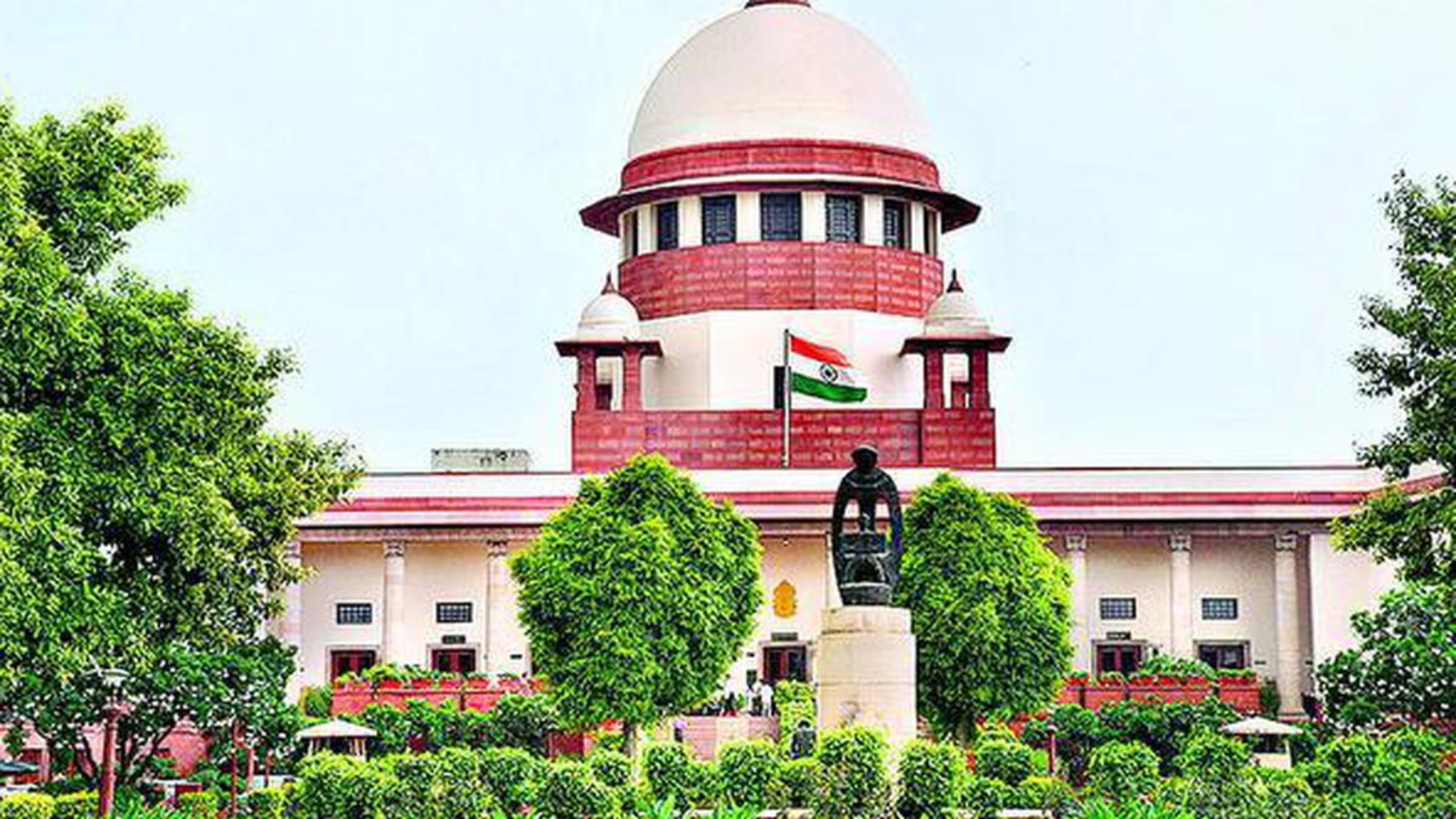
The Supreme Court has brought up key questions about whether the Protection of Children from Sexual Offences (POCSO) Act, 2012, is being used appropriately in situations that involve adolescents who are in a consensual relationship. Even though the Court has not changed the law itself, its remarks have opened the floor for a broader conversation on how to balance child safety with the realities of teenage romantic relationships.
Here’s the big picture of what you need to know.
What Did the Supreme Court Say?
On July 13, 2026, a Bench made up of Justice B.V. Nagarathna and Justice R. Mahadevan questioned the way the POCSO Act gets applied in cases where teenagers are involved in relationships they say are consensual.
The Court pointed out that parents often begin criminal proceedings under the POCSO Act when two teens elope or get into a relationship without their family’s approval. The Bench felt that in some of these situations, the complaints are filed more to protect the family’s “honour” rather than to deal with sexual exploitation.
The judges also said that the main aim of the POCSO Act is to protect children from sexual abuse and exploitation, which raises the question of whether every consensual adolescent romance should automatically be treated as something covered by the law.
Why Was the Court Hearing this Matter?
The observations were made while the Court was hearing a suo motu matter about the right to privacy of adolescents. It was a hearing where the Court had to examine the real impact of the law, not just its wording.
The proceedings started after a controversial judgment from the Calcutta High Court. In that decision, the Court had told teenage girls to “control” their sexual urges instead of getting involved in relationships. Later, the Supreme Court set that judgment aside and opened a wider examination into adolescent privacy, dignity, and how the POCSO Act is put into practice.
Why Is the Court Concerned?
The Bench recognized that adolescence, especially the period from 15 to 18 years, is a phase of emotional, bodily, and psychological change. The judges therefore asked whether every consensual relationship between teenagers should automatically become a criminal matter under the POCSO Act.
They also questioned cases where there is no sign of coercion, pressure, or exploitation.
The Court further said that many such matters eventually result in acquittal. Even so, criminal proceedings already create serious hardship for the people involved, and that consequence does not disappear afterward.
What Was Presented Before the Court?
Senior Advocate Madhavi Divan told the Bench about the case that triggered these suo motu proceedings.
As per her submissions:
- A minor girl voluntarily eloped with a 25-year-old man.
- They later married and had a child.
- A committee appointed by the Supreme Court pointed out gaps in how the POCSO Act is being implemented.
- The committee also suggested steps for adolescent well-being, along with ways to improve awareness about the law.
The Court observed that these findings show why it has to review how the legislation works on the ground, not only in theory.
What Did the Court Notice About the Already Pending Cases?
The Bench said that in many matters dealing with adolescents between 16 and 18 years of age, consensual relationships end up being treated as offences once parents file complaints.
Because of that, a few things happen repeatedly: criminal cases get lodged under the POCSO Act, and the accused are dragged into long legal battles. In the end, courts acquit many of them, reasoning that the relationship was consensual and did not involve the kind of harm that the law was enacted to prevent.
These repeated patterns made the Bench pause and ask whether the statute is being used in situations that do not match the kind of abuse the legislation was originally enacted to address.
What the Government Wants to Do
During the hearing, the Union Government told the Court that it has suggested changes meant to increase awareness among adolescents.
Some of the steps include age-appropriate learning for adolescents, starting POCSO awareness in a graded manner from Class VI, and increasing awareness about child safety and legal rights, so that awareness is in place before complaints become the primary trigger.
Senior Advocate Madhavi Divan also suggested creating a dashboard to monitor POCSO cases more effectively.
However, the Supreme Court noted that High Courts and State authorities already supervise these matters, so it expressed reservations about introducing a centralized monitoring system under the Union Government and was not convinced that it was necessary.
Has the POCSO Act Changed?
No.
The Supreme Court has not amended the law, and it has not changed the age of consent in India.
Right now:
- The age of consent remains 18 years.
- The POCSO Act continues to govern sexual activity involving persons under 18 years, even where consent exists.
- The Court is examining implementation issues, not changing the text of the statutory provisions.
If there is to be any meaningful shift in the legal framework, Parliament will have to act through legislation.
Final Thoughts
The Supreme Court’s observations do not dilute the protections already provided under the POCSO Act. Rather, they raise an important legal question about whether the legislation, enacted to protect children from sexual offences, is sometimes being applied in situations involving consensual adolescent relationships.
As the matter continues, the Court’s deliberations may have a bearing on future guidelines governing the implementation of the POCSO Act. At the same time, the core objective of safeguarding children from sexual abuse and exploitation must remain the primary focus.
Add a Comment